Ground Cherry and Vanilla Jam
Pineapple and vanilla from a paper lantern
- Preserves & Condiments
- Preserve
- American
- canning
- small batch
- gift
Husk cherries have a floral, pineapple-and-vanilla flavour that makes an extraordinary jam. A small-batch preserve that sets naturally from the fruit's own pectin.
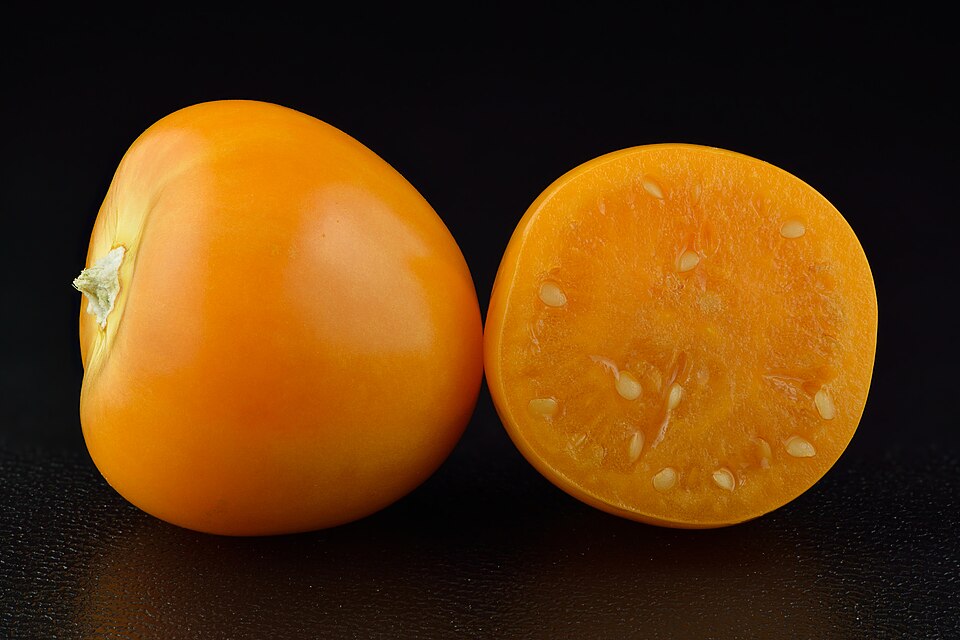
Photo: Ivar Leidus · CC BY-SA 4.0 · via Wikimedia Commons · all image credits
Ingredients
- 2 pounds (900 g) ground cherries, husked (about 4 cups)
- 1 3/4 cups granulated sugar
- 3 tablespoons fresh lemon juice
- 1 vanilla bean, split and scraped, or 2 teaspoons vanilla extract
- 1/2 teaspoon kosher salt
- 1/4 teaspoon ground cinnamon (optional)
- 1 tablespoon powdered pectin, only if fruit is very ripe
Equipment
- Wide heavy-bottomed saucepan
- Potato masher
- 4 half-pint jars with new lids
- Jar lifter and large canning pot
- Candy thermometer
Why this recipe works
Ground cherries, also called husk cherries or cape gooseberries, taste like a cross between pineapple, tomato and vanilla. Nothing else in the garden comes close, and they are absurdly productive: a single plant can drop a quart of fruit a week through late summer.
This is a small-batch refrigerator or water-bath jam, made with lemon and a vanilla bean. Because ground cherries are naturally high in pectin, it sets quickly and firmly with nothing more than sugar and time. Do not rush the simmer; the flavour deepens noticeably after 25 minutes.
Heirloom varieties to look for
Aunt Molly's Ground Cherry is the variety to grow: sweet, prolific, and it ripens by dropping its husk to the ground. Cossack Pineapple is a tarter, more pineapple-forward alternative. Gather fallen fruit daily and husk it the same day.
Method
Husk and wash
Pull the papery husks back and discard them, then rinse the fruit in a bowl of cool water, rubbing gently to remove the sticky residue. Drain well and pick out any green or hard fruit.
Mash and macerate
Crush the ground cherries roughly with the potato masher so the skins break and the juice starts to run. Stir in the sugar, lemon juice, salt and vanilla bean, and let the mixture stand for 20 minutes until it is visibly syrupy.
Simmer
Bring to a boil over medium-high heat, stirring to dissolve the sugar. Reduce the heat and simmer briskly, stirring often, for 25 to 30 minutes, until the jam has darkened to amber and a spoon drawn through leaves a clean trail.
Test the set
Put a small plate in the freezer at the start of cooking. Drop a teaspoon of jam on the cold plate, wait 30 seconds, and push it with a finger; if it wrinkles, it is ready. If it runs, simmer 5 minutes more and test again.
Sterilise the jars
Wash the jars in hot soapy water and keep them hot in a 225 F oven or a pot of simmering water. Simmer the lids briefly; do not boil them for long, which softens the sealing compound.
Fill and seal
Ladle the hot jam into hot jars, leaving 1/4 inch of headspace. Wipe the rims, apply the lids, and process in a boiling water bath with 1 inch of water over the tops for 10 minutes.
Cool and check
Leave the jars undisturbed for 12 hours. Press the centre of each lid; it should be concave and not flex. Label and store in a cool, dark cupboard for up to a year.
Cook's notes
- Ripe ground cherries are golden with a blush, not green. Green fruit will never set and tastes slightly bitter.
- Stir more often than you think necessary at the end. Ground cherry jam scorches in the last five minutes.
- For a refrigerator version, skip the water bath, cool, and refrigerate for up to 3 weeks.
Variations
- Add 1 tablespoon of grated fresh ginger with the lemon juice for a brighter, spicier preserve.
- Replace 1 cup of the ground cherries with peeled diced peaches for a softer, more mellow jam.
- Add 2 tablespoons of bourbon in the last two minutes of cooking for a boozy version that is excellent with cheese.
Storage
Processed jars keep for 12 months in a cool, dark place. Once opened, refrigerate and use within 3 weeks. Unprocessed jam keeps refrigerated for 3 weeks or frozen for 6 months in straight-sided jars.
How to serve it
About 1 tablespoon per serving. Serve it within the time noted above for the best texture, because heirloom produce is far less forgiving than supermarket vegetables.